


Humanica ERP
FINANCIAL SOLUTIONS
FOR EVERY BUSINESS
>30 Years

400+

20+

>30

Why choose Humanica ERP as your implementation partner?

Global Solutions
Gold Partner of SAP and Oracle NetSuite offering world-class ERP for business

Tax Incentives
DEPA & BOI program privileges

Built-in Localization & Add-ons
Tax & compliance built in, ready to use

End-to-End Service
Certified experts across all roles with responsive support system

Flexible Deployment
On-Premise, Hybrid or Cloud ERP, including ERP SaaS options—choose what fits


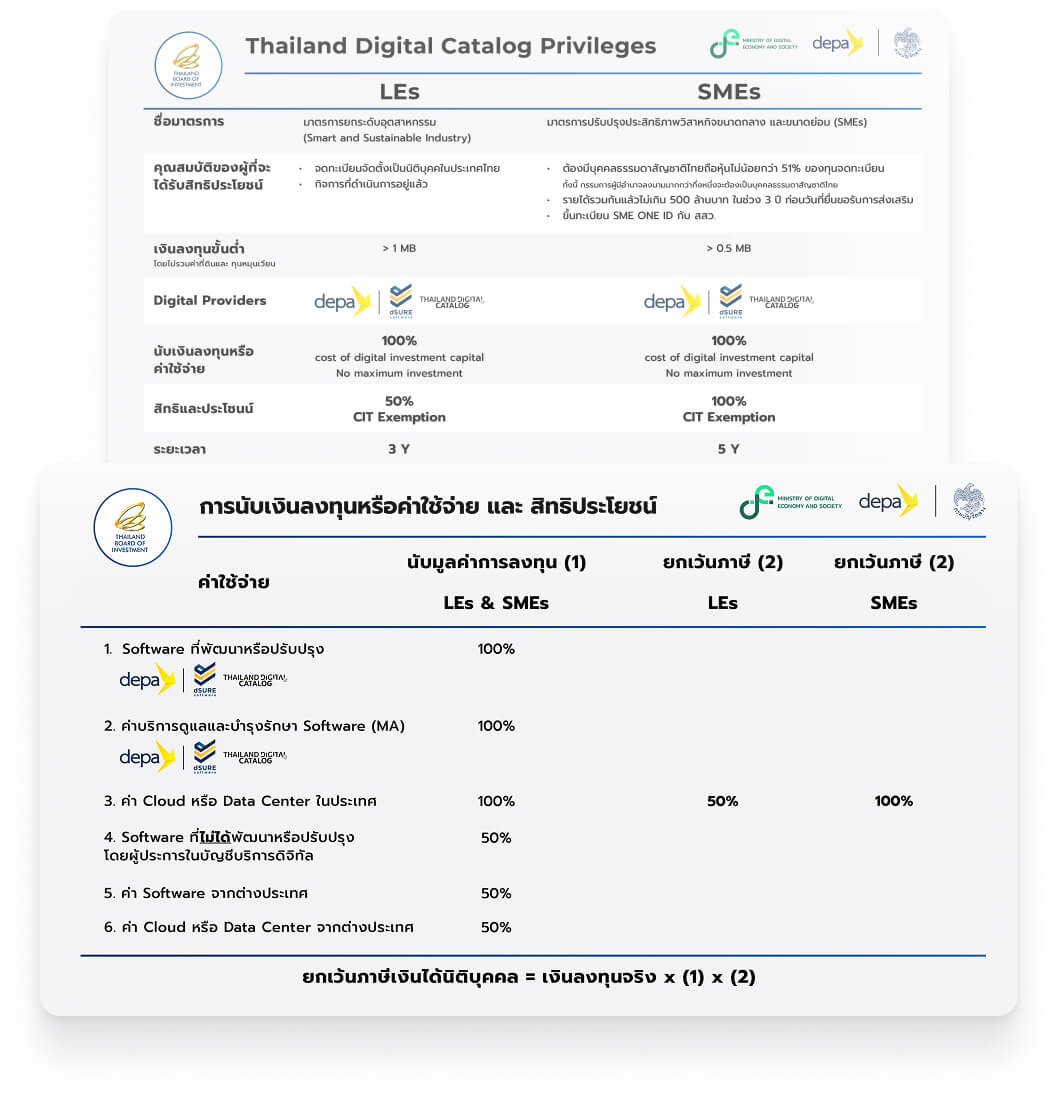
Thailand Digital Catalog Privileges
from the Digital Services Catalog
Thailand Digital Catalog

Types of Services
- Digital Services and Software
- Cyber Security
- Cloud Service (IaaS)
- Hardware and Embedded Software

Private
- Tax Deductions 200% (Up to 300,000 Baht)
- depa Digital Transformation Funds | Mini Transformation Voucher
- CIT Exemption 100% of the cost of digital investment capital

Public
Special Public Procurement / Specific Method or Selection Method
Our World-Class ERP Partner
Solutions
Solutions
Empower your business with the right ERP built for every scale
and complexity.



Awards & Certified

National Innovation Agency
(NIA)
2010

Board of Investment (BOI)
2012

Bai Po Business Awards
2015
Customer-Focused Product and Service
Financial Strength

Thailand ICT Network
(TICTA)
2016
(Thailand ICT Awards)

Stock Exchange of Thailand
2020
Best Innovative Company

Digital Economy Promotion Agency (depa)
2025
FAQs
Humanica ERP is an SAP Gold Partner for SAP Business One and SAP S/4HANA Cloud, and also delivers Oracle NetSuite. This allows us to offer ERP systems built on world-class, international-standard platforms, with a wide range of solutions for businesses of every size, available both On-premise and as Cloud ERP.
Cloud ERP is an ERP system hosted on the provider’s servers and accessed over the internet (e.g., Oracle NetSuite). It helps businesses save on upfront hardware investment, gives you access to your data from anywhere, and the provider takes care of software updates and maintenance. On-premise ERP (installed within your organization), on the other hand, offers greater control over data but requires a higher upfront investment.
Choosing an ERP system should take into account your organization’s size, the complexity of your business processes, your preferred deployment model (Cloud or On-premise), and your future growth plans. Humanica ERP’s consultants can analyze your requirements and recommend the solution that best fits your organization.
We provide end-to-end services, from consulting and implementation to system development and customization for the Thai business context, user training and, most importantly, post-implementation customer care (Support Service) delivered by our team of certified experts, ensuring your ERP system runs smoothly and at peak efficiency.